The System Behind Your Business Matters More Than You Think.
Digitisation Is a Journey, Not a Purchase
Most organisations don’t fail at digitisation because they pick the “wrong” tool. They struggle because they treat digitisation as a one-off decision instead of a journey.
In the early stages, the goal is simple:
- remove paper
- reduce rework
- create one reliable record of customers and jobs
As the business grows, expectations change:
- systems need to connect
- information needs to flow
- reporting needs to be accurate without heroics
Eventually, the system becomes customer-facing:
- self-service
- real-time updates
- digital experiences customers now expect
The problem isn’t ambition.
The problem is skipping the foundations.
At Some Point, Everything Centres Around “The System”
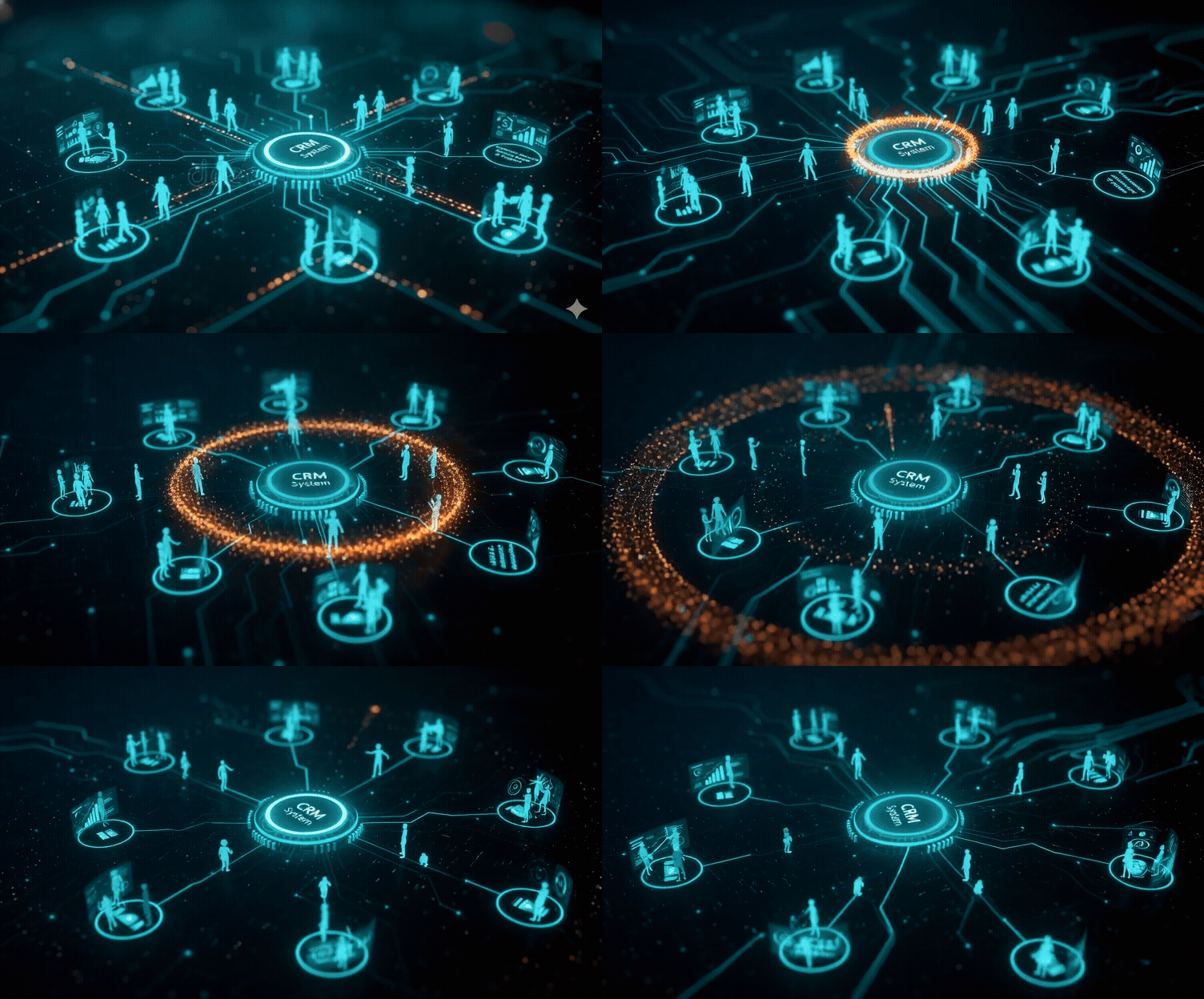
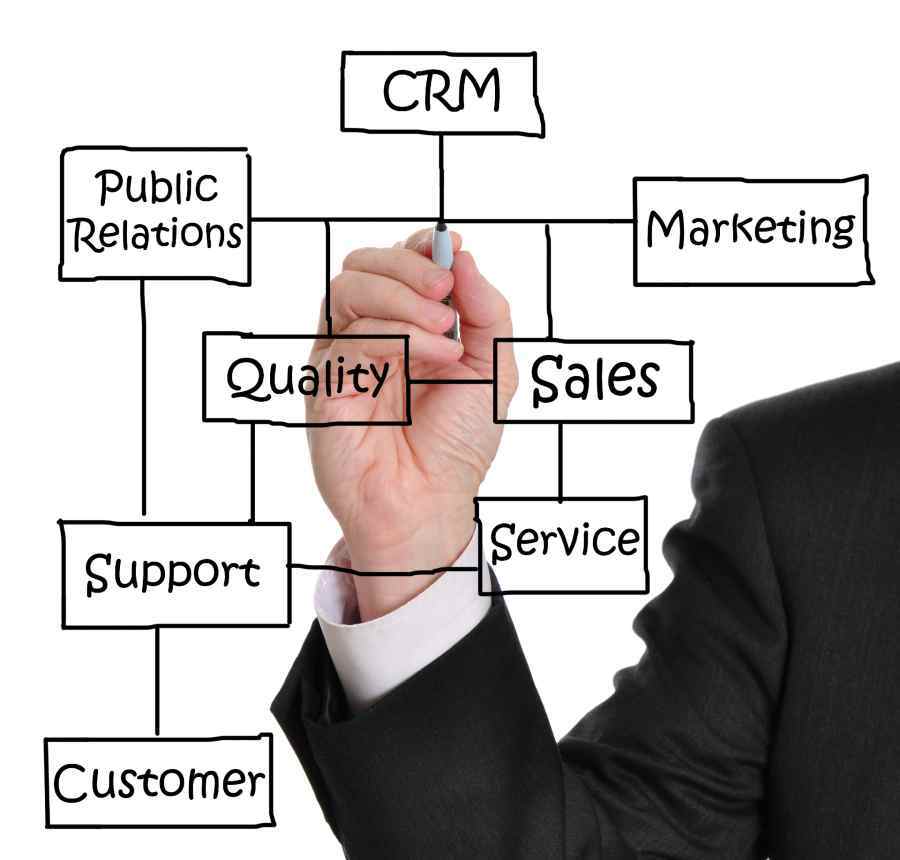
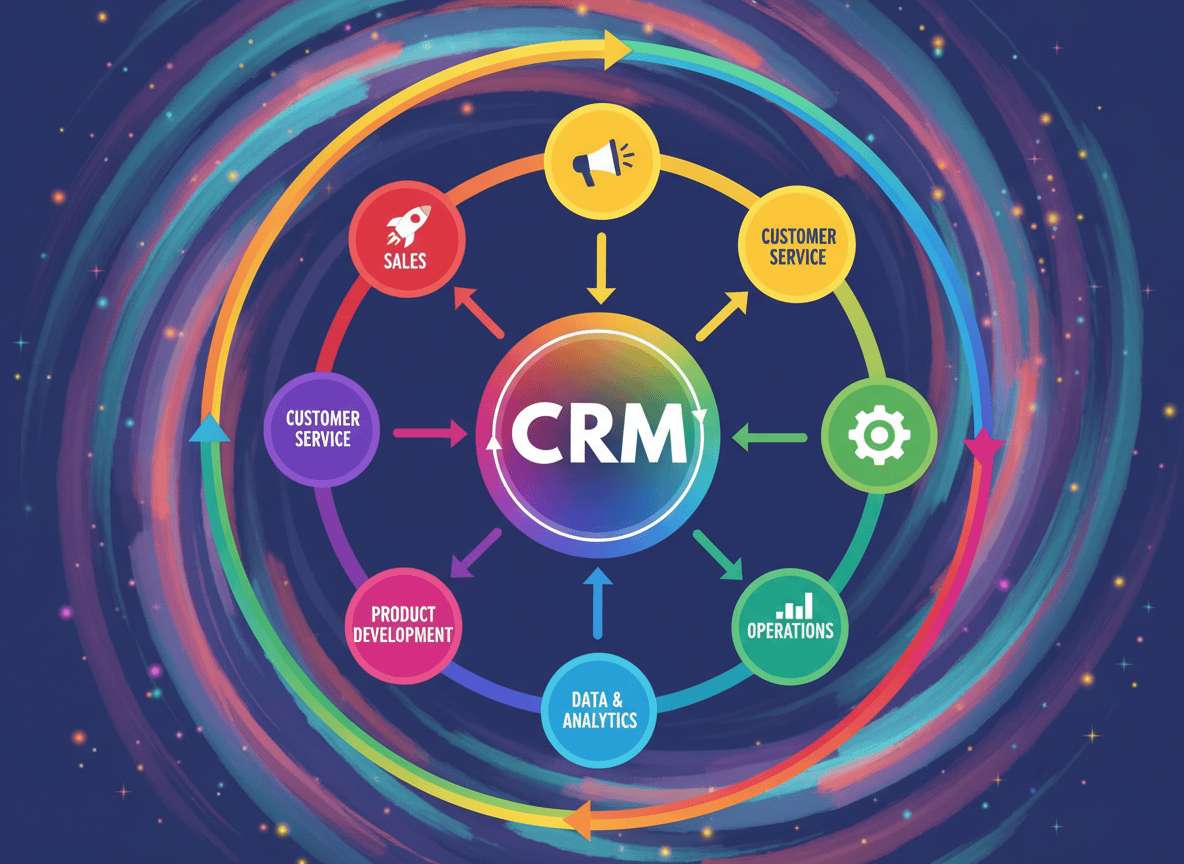
As businesses grow, one system inevitably becomes the place where customer information, work, and revenue come together.
Most people would call this a CRM.
We think that label undersells how important it really is.
This system quietly becomes:
- the record of what was promised
- the handover between sales and delivery
- the trigger for invoicing and cash flow
- the data source for forecasting and automation
By 2026, CRM platforms are expected to function as the core “single source of truth” for organisations, underpinning not just sales, but service, operations, and increasingly, AI-driven automation.
When this system works well, the business feels easier to run.
When it doesn’t, everything costs more than it should.
Why the CRM Market Feels Broken
Despite how critical these systems have become, the CRM market itself works against many growing businesses.
As of 2025, just four vendors (Salesforce, Microsoft, SAP, and Oracle) control around 59% of global CRM revenue. This level of consolidation hasn’t simplified things. It’s made them harder.
What businesses experience in practice is:
- attractive entry pricing
- complexity added in layers
- essential capability locked behind higher tiers
- costs rising faster than value as the business scales
Independent analysis shows that the true total cost of ownership of enterprise CRM platforms is often three to five times the initial licence cost once implementation, mandatory add-ons, and ongoing administration are factored in.
For growing businesses, pricing models tied to contacts, users, or data volume can create sudden “price cliffs”, where normal growth triggers significant cost increases without adding meaningful new capability.
Lock-In Is a Feature, Not a Bug
Another reality many organisations only discover later is how difficult it can be to change direction once a platform is embedded.
Vendor lock-in shows up as:
- proprietary data models
- deeply embedded business logic
- expensive integration dependencies
- punitive costs to extract your own data
In some cases, data egress fees carry margins thousands of percent higher than the actual cost of transfer. The practical effect is simple: leaving becomes harder than staying, even when the system no longer suits the business.
At that point, the system starts running the business, not the other way around.
This Is Why Independent Advice Matters
Most advice in this market comes from organisations that sell, implement, or depend on specific platforms. That doesn’t make them bad actors, but it does mean the advice is rarely neutral. At IT Architecture as a Service (ITAAAS), we were founded to do this differently.
Our role is to help organisations understand:
- how their business actually runs today
- where friction and risk are building
- what options genuinely exist before committing to a platform
Good architecture preserves choice. Poor architecture removes it.
Why We’ve Made a Deliberate Exception with Zoho
Because we are independent by design, we rarely endorse specific vendors. When we do, it’s because their structure materially differs from the rest of the market.
Zoho is privately owned and bootstrapped. It does not operate under the same quarterly revenue pressures that drive pricing behaviour in most large CRM vendors. Instead of acquiring dozens of disconnected products, Zoho has built a unified suite of more than 50 tightly integrated business applications.
Independent total-cost-of-ownership analysis indicates Zoho can deliver up to 60% lower TCO compared to Salesforce or HubSpot Enterprise, without relying on extensive third-party tooling or complex licensing structures.
More importantly, the platform is designed to support the full digitisation journey, from simple record-keeping through to automation and AI-assisted insight, without forcing businesses to over-buy early or pay heavily for growth later.
Zoho isn’t right for every organisation.
It is structurally different from most of the market.
Reclaiming Control of the System Behind Your Business
Every business reaches a point where the system behind it either supports growth or quietly holds it back.
You can continue to add tools, accept complexity, and absorb rising costs as “the price of doing business”. Or you can step back, design deliberately, and build a foundation that grows with you rather than against you.
The system behind your business matters more than you think.
Make sure it’s working for you.